From Stanford University: What Are You Breathing When You Inhale?

Author Name

Professor Hildemann says: In our daily life we are exposed to a variety of air pollutants. We have a lot to learn about what they are, how much there are, to what extent they are harmful, and what we can do about it.


Airborne pollutants fall into two categories: Gases and particles. Outdoors the kinds of gases we’re breathing (in addition to air) include carbon monoxide, nitrous oxides (called “NOx″), and ozone. Particle pollutants not only include natural sources like wind-blown dust, but also result from human activities, especially combustion emissions from car engines, furnaces, fireplaces, barbecues, and cigarettes.


The good news for our health is that regulations of car, power plant, and industrial emissions over the last few decades have helped keep outdoor air much cleaner than it would be without those laws. But as population continues to increase we have more cars, houses, and energy demand than ever before. That means that even as we make everything cleaner, we could still see rises in overall pollution.


The bigger issue, however, is the air you breathe indoors because that’s where people, on average, spend about 90 percent of their time. Indoor spaces have unique kinds of air pollution, but there are virtually no regulations to limit them at all.


The stuff we breathe indoors can be worse than outdoors for some pollutants, like vaporized chemicals, which come from paint and furniture (these are called “volatile organic compounds″ or VOCs), and biological particles, such as pet dander and molds. In some places if you measure carefully, you can even find small amounts of other nasty things in the indoor dust, such as lead. We used to have lead in our gasoline and particles containing it settled next to roadways. People still track that in on their shoes, leave it on the floor and then kick it back up into the air later.


Recently my students and I have been studying indoor mold levels to determine how much of it comes in from outdoors versus how much gets kicked up indoors when people walk over carpets. By taking measurements in carpeted public spaces and homes, we’ve found a strong correlation between foot traffic and mold levels. We’ve shown the carpet to be a major source by comparing walking on carpeting with walking on a clean tarp. By having volunteers dressed in Tyvek suits walk around under the same conditions, we’ve been able to determine that people and their clothes are not a major source.


One of the places we took measurements was in a hospital, where there are likely to be patients with poor immune systems and greater susceptibility to lung infections. If indeed further tests confirm that walking on carpets really kicks up molds into the indoor air, hospitals may want to rethink having carpets.


But regulation of indoor air is tricky. People are going to do what they want to do in their own homes (I’ve studied air quality in Bangladesh where people are so poor, they can’t afford to vent their indoor wood-burning stoves).


Even in public spaces, regulators would have to grapple with issues such as which spaces (perhaps other than hospitals) are vital to regulate, what levels of different pollutants are really unsafe and what regulations would actually be effective.


For example, we don’t really know everything we need to know about what can make particles harmful to people. Is it their size? Their shape? Their chemical composition? Maybe it’s how much of it you breathe.


Of course, people who want to improve their indoor air quality don’t need regulations to do so. I think about this especially because I have a young child. We have very little carpet at home. Our furniture is leathery rather than cloth because that holds less dust. We probably light our fireplace only once every 10 years or so. We’ve also used low-VOC paint for years.

 

Read the article on Stanford University’s Website

Table of Contents

Full History

1937
general-filters-timeline-1937

Founded in Detroit

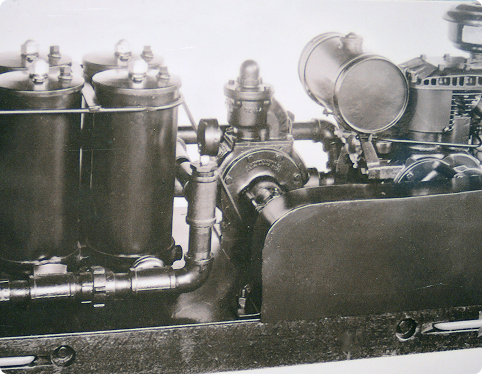
General is founded by Art and Grace Redner in Detroit, Michigan, marking the beginning of a family legacy.
1939
general-filters-timeline-1939

Supporting the War Effort

General begins manufacturing filters for bomber ground support equipment during World War II.
1943

Expanding Operations

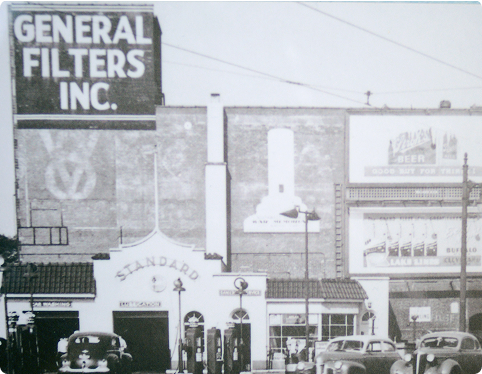
General moves to a new Detroit location at Schoolcraft and Grand River.
1946
general-filters-timeline-1946

New Detroit Home

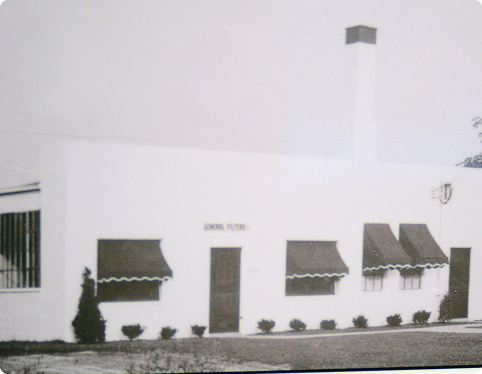
General relocates to 12890 Westwood Avenue in Detroit, strengthening operations in Michigan.
1948

Growth into Canada

Canadian General Filters Ltd. is founded, extending reach to North America.
1953

Relocation to Novi, Michigan

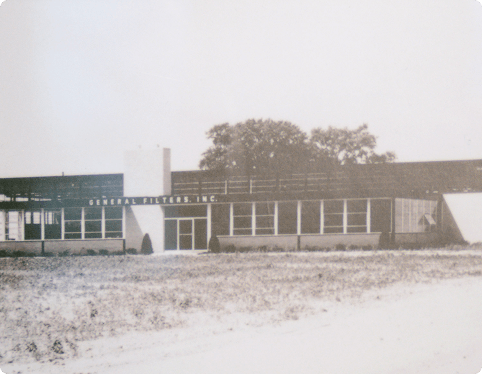
General Filters moved to its current location in Novi, Michigan, marking a major milestone in its evolution as a manufacturing company.
1958
general-filters-timeline-1958

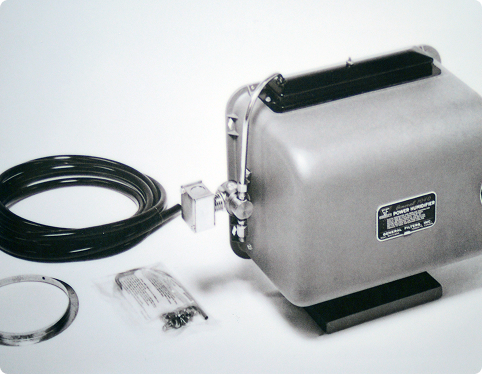
Model 250 Humidifier Introduced

The Model 250 set a new standard for whole-home comfort, helping families maintain healthy humidity and improve indoor air quality.
1962
general-filters-timeline-1962

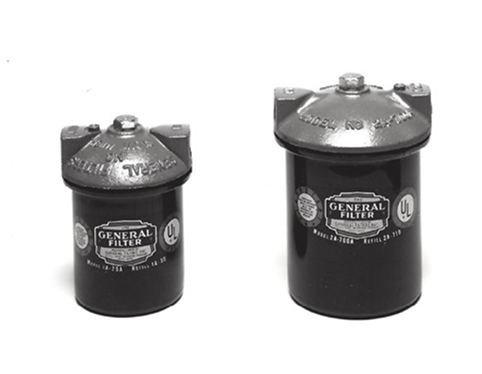
New Oil Filters Introduced

1969
general-filters-timeline-1969

Model 1040 Humidifier Debuts

General Filters introduced the Model 1040 humidifier, a breakthrough product that helped define whole-house humidification.
1983
general-filters-timeline-1983

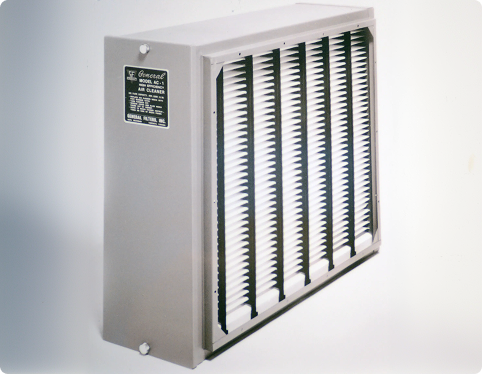
AC 1 Air Cleaner Introduced

General Filters introduced the Model 1040 humidifier, a breakthrough product that helped define whole-house humidification.
1997
general-filters-timeline-1997

Steam Humidifiers Introduced

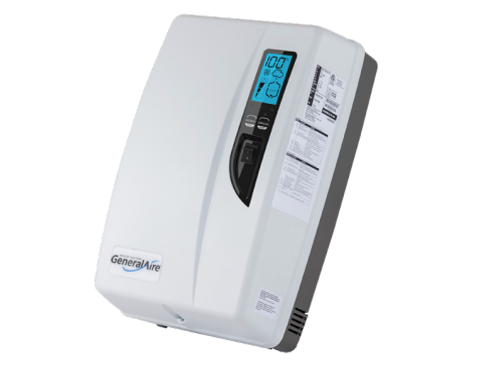
The GeneralAire Model 5500 provides clean, sterile moisture with a furnace-independent design, disposable cylinder, digital diagnostics, and included humidistat.
2006
general-filters-timeline-2006

Gar-Ber® Acquisition

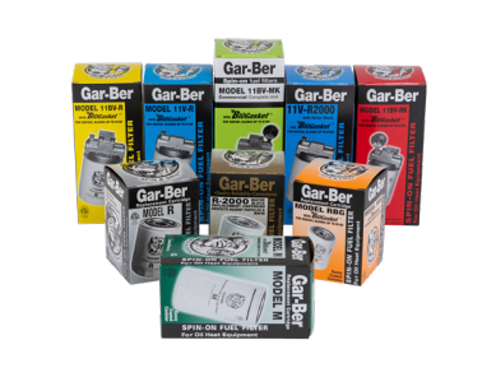
Gar-Ber Spin-On residential fuel oil filters were acquired by General Filters and continue to be manufactured to the same trusted specifications.
2006
general-filters-timeline-2006-elite

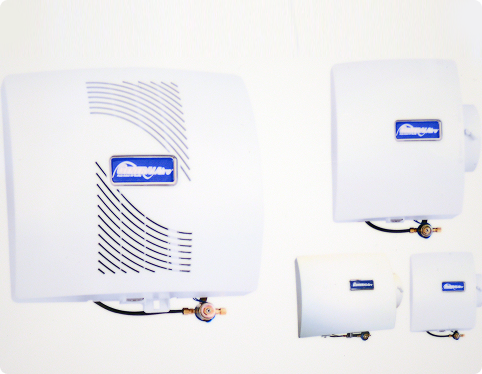
Elite Humidifiers Introduced

2009
general-filters-timeline-2009

Advanced TERSus Technology Introduced

2014
general-filters-timeline-2014

Dehumidification Expansion

The acquisition of Air & Energy Products expanded the company’s whole-house dehumidifier offerings.
2018
general-filters-timeline-2018

Advanced Air Solutions

Wi-Fi-enabled dehumidifiers were introduced under the GeneralAire® brand, and Second Wind™ Air Purifiers were acquired to expand UV air purification solutions.
2018
general-filters-timeline-2018-touch-screen

Touch Screen & Wi-Fi Control

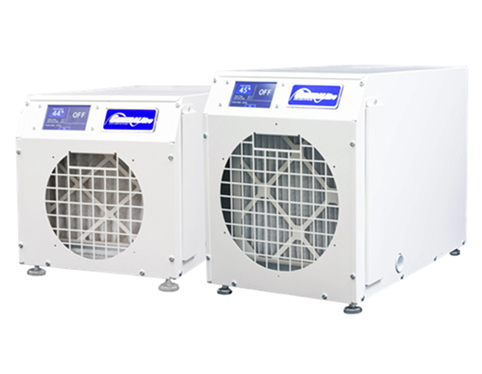
GeneralAire DH75 and DH100 whole-house dehumidifiers (75-100 pints/day) feature LCD touch screens and Wi-Fi capability via the GeneralAire App for remote monitoring.
2019
general-filters-timeline-2019

Touch Screen & Wi-Fi Control

GeneralAire DH75 and DH100 whole-house dehumidifiers (75-100 pints/day) feature LCD touch screens and Wi-Fi capability via the GeneralAire App for remote monitoring.
2020
general-filters-timeline-2020

Model 5500 Steam Humidifier Introduced

2020
general-filters-timeline-2020-brand-refresh

Brand Logo Refresh

New GeneralAire®, General Filters, and Canadian General Filters Brand Logos Introduced
2020
general-filters-timeline-2020-vapor-pad

Model 3200 Evaporative Humidifier Introduced

2020
general-filters-timeline-2020-model-4200

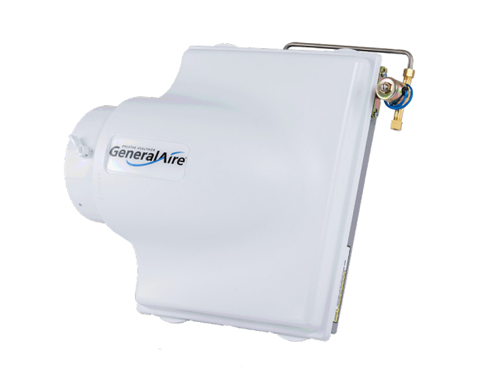
Model 4200 Evaporative Humidifier Introduced

2020
general-filters-timeline-2021

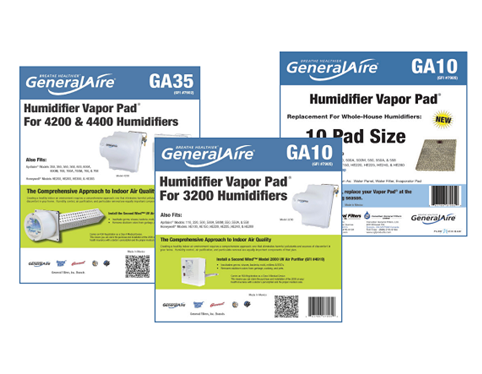
Industry Standard Vapor Pad Lineup Introduced

2021
general-filters-timeline-2021-bio-gasket

BioGaskets Included in All Gar-Ber Oil Products

2021
general-filters-timeline-2021-merv

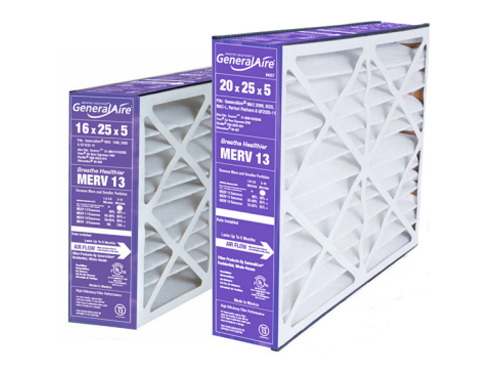
Introduced MERV 13 Filters

2023
general-filters-timeline-2023

Model 4400A Fan-Assist Evaporative Humidifier Introduced