
Indoor air is much more important than most people know. Since the air indoors can be many times more polluted than outdoor air, it can have an adverse affect on you and your family’s health. Studies show we spend an estimated 90% of our time indoors, so evaluating and controlling the quality of your indoor air is essential to your health and comfort.
What are some signs of poor Indoor Air Quality? Is your health adversely affected by poor indoor air quality? If so, an indoor air quality professional can help.
What Are The Signs Of Poor Indoor Air Quality?
You may experience one or more of the following in your home:
| Watery, itchy eyes | Wheezing |
| Frequent rashes | Recurring bronchitis |
| Runny nose, congestion | Asthma |
| Headaches | Coughing |
| Shortness of Breath | Dermatitis |
| Dizziness | Fatigue |
| Sinusitis | Nose Bleeds |
| Loss of Concentration | Dry, itchy, cracked skin |
| Body Aches | Sore Throat |
You may also experience:
- Stale, stuffy air
- Lingering cooking and other odors
- Excessive moisture, humidity in the air and on surfaces
- Dark edges along carpets and walls
- Cracks in woodwork, drywall; flaking paint
- Fast buildup of dust on tables and other surfaces
Ask yourself: do I feel better after I leave my home? Do I feel worse again when I come home after being gone for awhile?
What Are The Causes Of Poor Indoor Air?
You can treat the air with an effective indoor air quality humidifier, dehumidifier, air cleaner, UV air purifier and other products, but should also work to eliminate the causes. All of the following can easily become airborne and spread throughout your home.
- Animal products, such as hair, dander (skin flakes), dried saliva and urine
- Insects and their body parts.
- Dust mites are tiny organisms that feed on dead human skin cells. Most commonly found in your bed, dust mites are also found in all textiles including clothing and furniture. They can become airborne during activities such as changing bedding and vacuuming.
- Bacteria and viruses. Usually spread through person-to-person contact, they can also circulate through your home through the ventilation system; particularly after remodeling.
- Smoking
- Water damage
- Heating and air conditioning unit buildup of dust, moisture, mold, etc.
- Radon
- Asbestos
- Lead Paint
- Chemicals in cleaning products, new furniture, carpeting and products used in hobbies.
- Fertilizer or pesticides, often brought into the home from the outdoors on shoes.
- Carbon Monoxide
- Recent construction dust from wood, drywall, dirt, etc.
How Can Indoor Air Products Help?
Air Cleaners
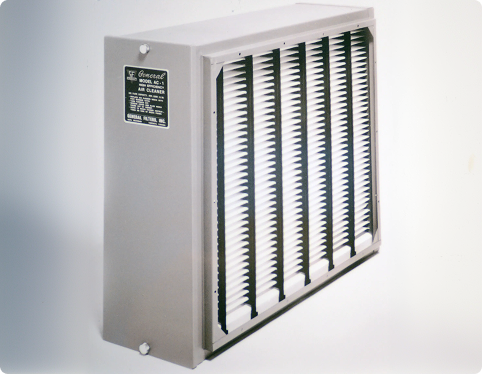
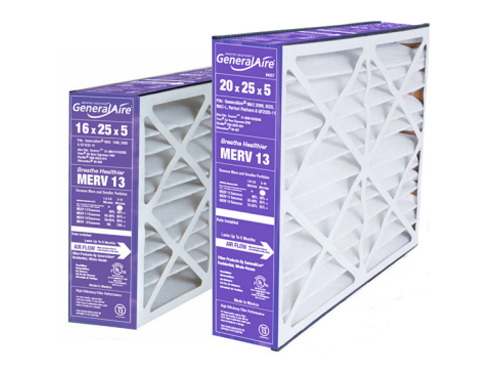
Air cleaners can be very effective in removing particulates that float in the air; particulates that can trigger allergy and asthma symptoms and cause long-term adverse health effects. Air filters found within an air cleaner are rated using MERV (Minimum Efficiency Reporting Value rating from 1 to 16). The higher this number, the more effective the filter is at removing harmful particulates from the air. Air filters may also include carbon-based materials, which assist in removing odors from the air inside your home.
Humidifiers
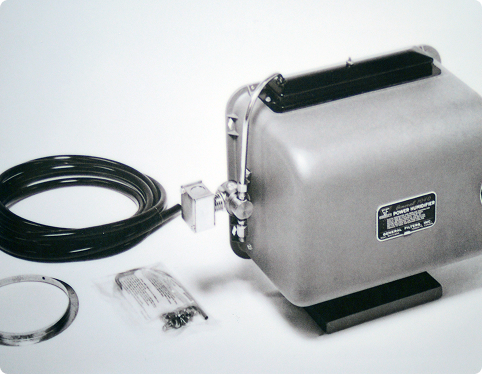
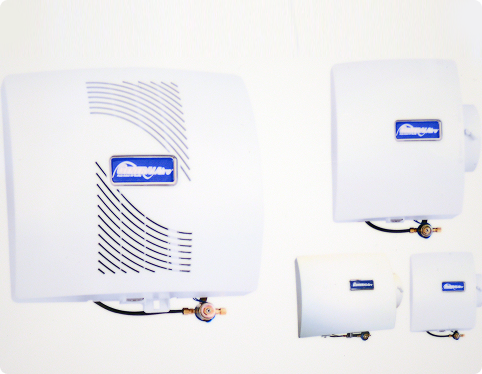
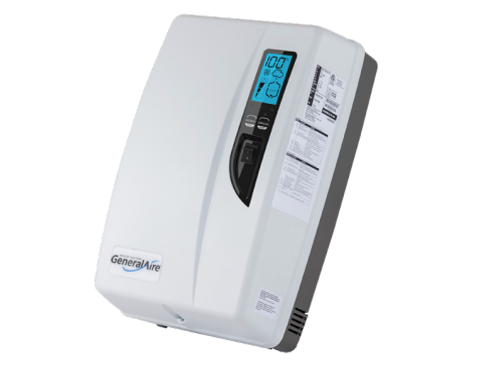
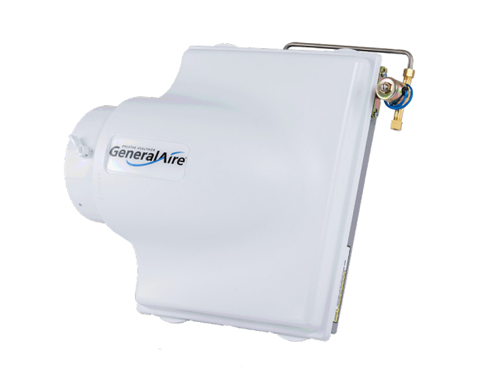
Dry air can have adverse effects not only on your health but your home and its contents. Dry air can cause cracks in wood floors, furniture, trim and instruments. Dry air can cause static electricity that can damage expensive electronics. Dry air can increase heating bills, by causing gaps in doors and windows. Dry air can also be the cause of allergy and asthma triggers. Humidifiers help you control the moisture levels in your home so that you and your family not only feel more comfortable, but your home is also protected.
De-humidifiers
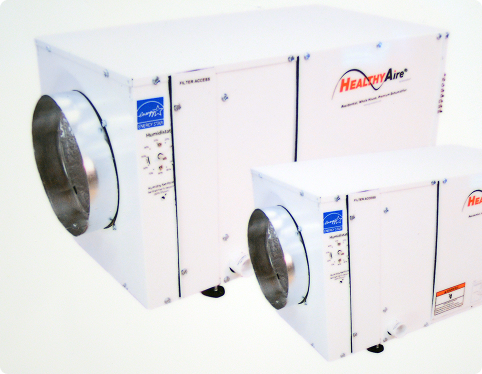
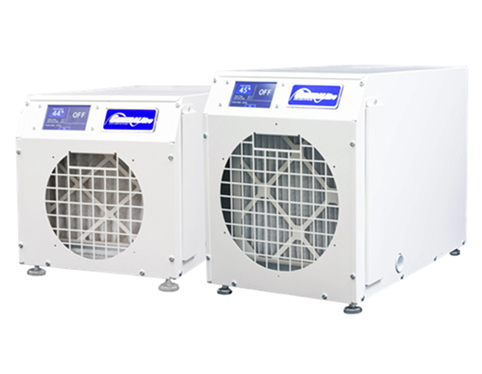
Like air that is too dry, air that has too much moisture can also be detrimental. Too much moisture can increase incidents of mold, mildew and bacteria; again increasing allergy and asthma triggers. Whether you live in a humid climate or it’s simply that time of year, a dehumidifier reduces excess moisture for greater comfort and a healthier indoor air quality.
UV Air Purifiers
Air filtration is no longer the only tool for cleaning indoor air. UV Air Purifiers have become an effective method of killing germs, bacteria, flu and viruses inside the home. Do you get sick often? Are you scheduled for surgery? Do more to remove the harmful elements that can increase your risk of infection by installing a UV Air Purifier.
Energy and Heat Recovery Ventilators
All homes need ventilation. Ventilation systems bring fresh air into your home while also exhausting stale air from your home year around even when windows and doors are closed! This exchange provides air that keeps occupants healthy, removes odors, reduces moisture, removes indoor pollutants and lowers the relative indoor humidity.
Which Do I Need?
Talk with your family about their impression of your indoor air quality and whether they are noticing / experiencing any of the effects of poor indoor air quality as described. Discuss your family’s findings with an IAQ professional. He/she can help you determine which products best fit your needs and the size of your home.
All of these products can be easily installed by your qualified HVAC contractor into your current HVAC system; out of site and providing protection 24-7, 365 days per year. Maintenance is minimal and many consider the investment more than worth it.
What Else Can I Do?
- Clean often.
- Repair water leaks in roof or plumbing.
- Use non-toxic paints, cleaning solvents and other products.
- Ensure fireplace flumes function correctly.
- Have duct work and flumes cleaned by a professional.
- Open windows/ventilate often.
- Vacuum carpet often.
- Remove shoes when entering.
Empower Yourself. You can control the quality of your indoor air.